Priorities

Strong schools are built through steady governance. As our district navigates academic recovery, enrollment shifts, and financial pressures, I'm focused on measurable progress, transparent decision-making, and long-term stability rooted in community trust.

  1. Academic Excellence

    Build strong fundamentals so every student can confidently take the next step.

    Every student in Osseo Area Schools deserves access to a high-quality education that prepares them for college, careers, and life. Academic success starts with strong fundamentals, clear expectations, and support systems that help students grow at every level.

    • Use evidence-based curriculum and instruction tied to student outcomes.
    • Prioritize early literacy and math proficiency across the district.
    • Expand career and technical pathways alongside college preparation.
    • Use transparent data to identify gaps and target support quickly.
  2. Supporting Educators

    Students thrive when teachers and staff are respected, supported, and set up to succeed.

    Great schools depend on great educators. Recruiting and retaining talented teachers and staff must remain a top priority. Workforce stability benefits students, strengthens school culture, and reduces long-term financial strain.

    • Ensure district decisions support competitive, sustainable compensation that attracts and retains great educators while remaining responsible to taxpayers.
    • Strengthen working conditions so educators have the time, support, and manageable workloads they need to stay in the profession.
    • Ensure educators have a meaningful voice in district decisions that directly affect classrooms.
    • Reduce unnecessary administrative burden so educators can focus more time on teaching and supporting students.
  3. Safe, Welcoming Schools

    Students learn best in schools that are safe, structured, and grounded in respect.

    Safety includes physical security, emotional well-being, and consistent behavioral expectations. Maintaining structured, welcoming school environments builds trust with families and helps students stay focused on learning.

    • Strengthen safety planning with local public safety partners.
    • Set clear, consistent behavior expectations that support accountability and growth.
    • Expand mental health resources and early intervention strategies.
    • Foster school cultures where students feel respected, connected, and known.
  4. Fiscal Responsibility

    Protect taxpayer trust by aligning every dollar with student outcomes.

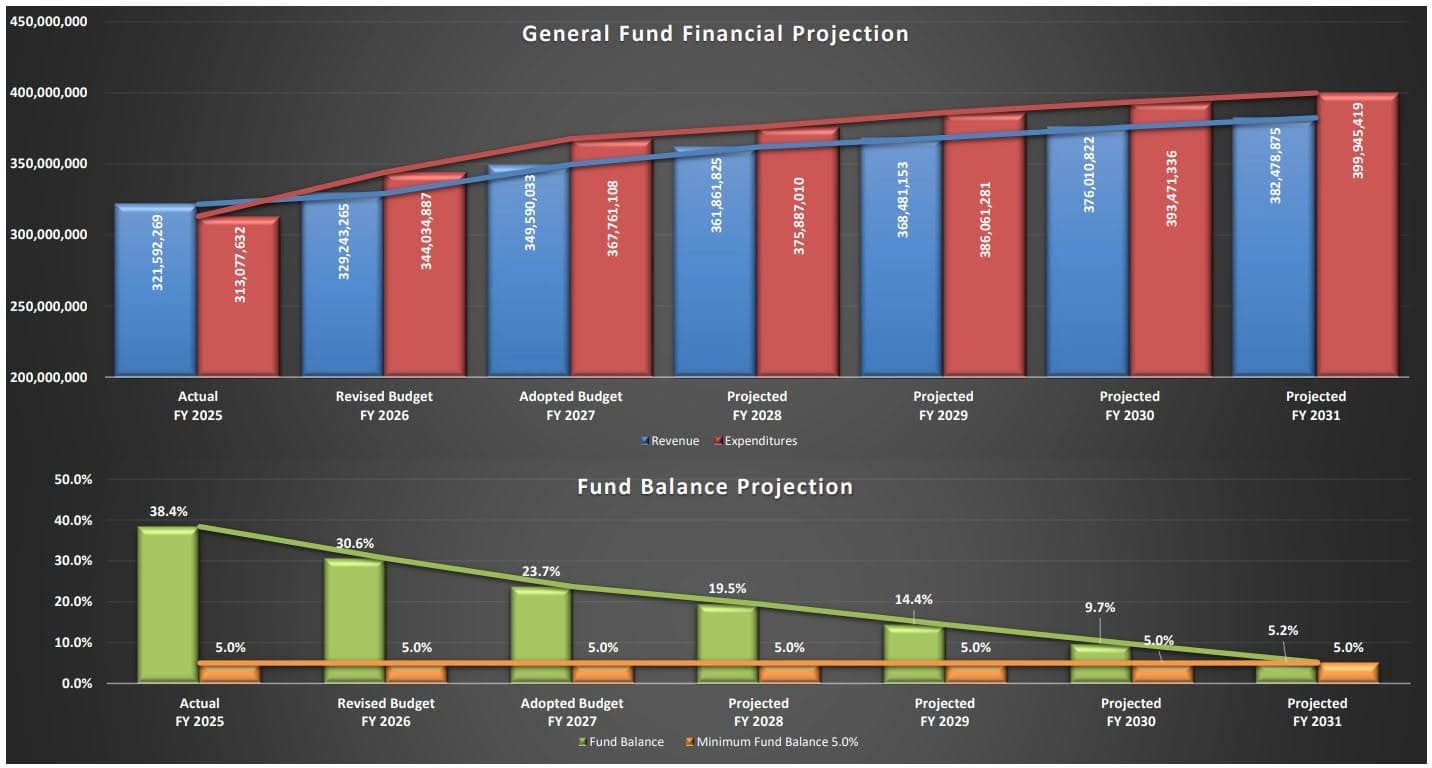
    School board members are stewards of public resources. As enrollment patterns shift and financial pressures grow, every dollar should be used thoughtfully to maximize student impact while protecting long-term stability. Responsible budgeting means clear priorities, transparent communication, and regular evaluation of what’s working.

    • Publish transparent budgets and clear public financial reporting.
    • Prioritize investments that improve outcomes, attendance, and classroom support.
    • Evaluate programs regularly for effectiveness, accountability, and sustainability.
    • Plan long term to meet district needs while protecting taxpayers.
  5. Student Well-Being

    Support the whole student so barriers to learning are addressed early and consistently.

    Academic success is closely connected to student health, attendance, and engagement. Reducing chronic absenteeism and strengthening student supports improves outcomes district-wide. When students receive the right help at the right time, they are better able to learn, grow, and thrive.

    • Reduce chronic absenteeism with practical, school-centered strategies.
    • Expand support services that address academic, behavioral, and personal challenges early.
    • Partner with families and community organizations to coordinate support.
    • Promote physical health, mental wellness, and belonging through daily practice.
“Every student should feel safe, supported, and prepared — and every board decision should reflect that responsibility.”

How I'll Measure Progress

I'll establish clear benchmarks, review outcomes regularly, and provide transparent updates so the community can see what's improving and where we need to do more.

  • Clear Benchmarks

    Set measurable targets in literacy, math, graduation readiness, and participation in career and technical pathways.

  • Regular Review

    Review district progress at consistent public intervals, using reliable data to identify what is improving and what needs adjustment.

  • Transparent Accountability

    Share understandable updates with families and taxpayers so decisions stay focused on outcomes, not rhetoric.